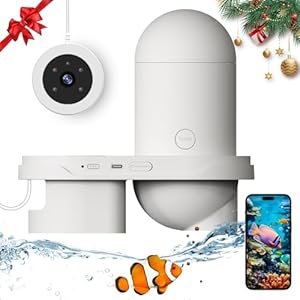

To maintain a healthy aquatic environment, understanding the nuances of aquarium heaters is fundamental. Ensuring the right temperature for your fish is not just a matter of comfort but a critical factor for their survival. Imagine the repercussions of an improperly heated tank; the consequences could be dire. Let’s delve into the intricacies of aquarium heaters and how mastering temperature control can be the key to thriving marine life.
Importance of Temperature Control
Understanding the critical role of temperature control in aquariums is fundamental to maintaining a healthy aquatic environment for your fish. Fish are ectothermic creatures, meaning they rely on their environment to regulate their body temperature. Fluctuations in water temperature can lead to stress, illness, and even death among your aquatic pets. Consistent water temperature is crucial for the overall well-being of your fish, as it impacts their metabolism, immune system, and behavior.
When the water temperature is too high, it can result in decreased oxygen levels, which are essential for the survival of your fish. On the other hand, if the water temperature drops too low, your fish may become lethargic, their digestive system may slow down, and they may be more susceptible to diseases. Maintaining a stable temperature within the recommended range for your specific fish species is key to ensuring they thrive in their aquatic habitat.
Types of Aquarium Heaters
When selecting an aquarium heater, consider the various types available to meet your specific needs and tank requirements. There are three main types of aquarium heaters: immersible heaters, submersible heaters, and substrate heaters.
Immersible heaters are placed over the aquarium’s edge, with the heating element submerged in the water. These heaters are easy to install and ideal for smaller tanks.
Submersible heaters are fully submerged in the water and are efficient at heating larger aquariums evenly. They’re versatile and can be placed horizontally or vertically.
Substrate heaters are buried under the gravel or substrate, heating the tank from the bottom up. These heaters promote natural convection currents and are great for planted tanks.
Each type of heater has its own advantages and is suitable for different tank setups, so choose based on the size of your tank, the livestock you have, and the aesthetics you prefer.
Selecting the Right Heater
To choose the appropriate heater for your aquarium, assess the size of your tank and the specific heating requirements of your aquatic inhabitants. For smaller tanks under 20 gallons, a compact heater may suffice, while larger tanks may need multiple heaters or a more powerful one. Consider the types of fish and plants in your aquarium as different species have varying temperature needs. Research the ideal temperature range for your specific aquatic life to ensure their well-being.
When selecting a heater, opt for a reliable and adjustable model. Adjustable heaters allow you to fine-tune the temperature to meet your aquarium’s requirements accurately. Look for heaters with safety features like automatic shut-off to prevent overheating and malfunctions. Quality brands often offer warranties and better temperature control accuracy, providing peace of mind.
It’s crucial to invest in a heater that matches your tank size and aquatic inhabitants’ needs to maintain a stable and healthy environment. Conduct thorough research and consult with experienced aquarists to make an informed decision.
Installation and Placement Tips
For optimal functionality, place the aquarium heater near a water flow source to ensure even heat distribution throughout the tank. This positioning helps in circulating the warmed water effectively, preventing temperature fluctuations in different areas of the aquarium. Additionally, it’s essential to secure the heater in a vertical position to prevent it from touching any aquatic plants or decorations, which could lead to damage or fluctuations in temperature.
When installing the heater, make sure to submerge it completely in the water to prevent overheating and ensure accurate temperature readings. Avoid placing the heater near the aquarium’s outflow, as this can cause the heated water to be quickly expelled from the tank, affecting the overall temperature regulation.
Consider using a heater guard to protect your aquatic inhabitants from accidental burns or damage caused by direct contact with the heater. Lastly, keep the heater away from direct sunlight or drafts to maintain a stable and consistent temperature within the aquarium.
Monitoring and Adjusting Temperature
Ensure the aquarium heater’s temperature setting matches the required level for your aquatic inhabitants. Use a reliable thermometer to regularly check the water temperature. Keep in mind that different species have specific temperature preferences, so research the ideal range for your fish. If the temperature deviates from the desired range, adjust the heater accordingly. Slow and gradual changes are best to prevent shocking your aquatic pets. Remember that sudden temperature fluctuations can stress or harm your fish. Monitor the temperature consistently to ensure a stable environment.
When adjusting the heater, make small modifications and wait to see the impact before making further changes. It’s crucial to maintain a stable temperature to promote the health and well-being of your aquarium inhabitants. Consider investing in a heater with advanced features like automatic temperature regulation to simplify the process. Additionally, having a backup heater can provide extra security in case of malfunctions. By actively monitoring and adjusting the temperature, you can create a comfortable and safe habitat for your aquatic friends.
Trending Products